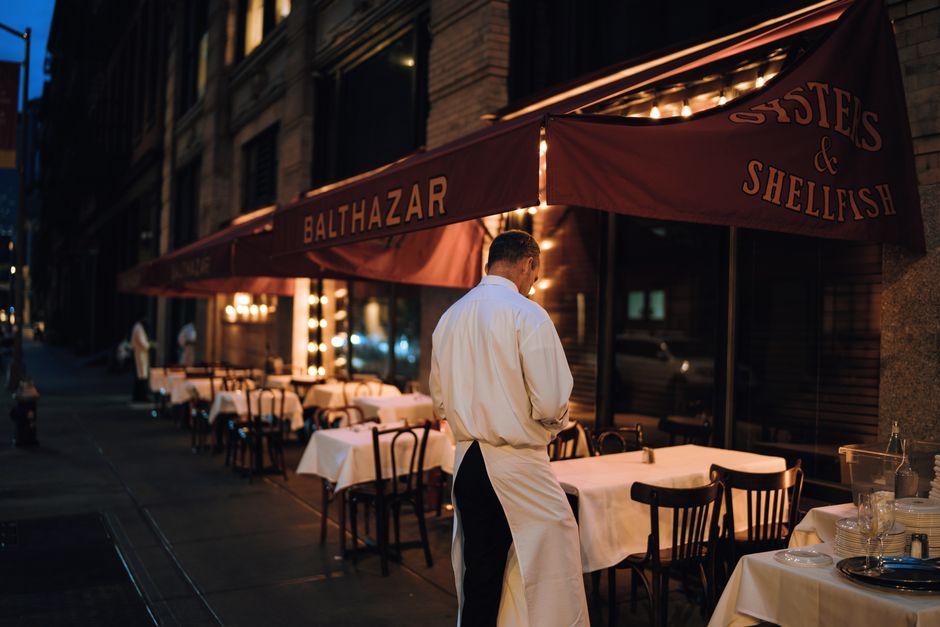
New York City’s restaurant industry has long been a bellwether for broader trends in the food service sector. Over the past decade, the city has seen significant changes that reflect evolving consumer preferences, economic pressures, and shifts in regulatory frameworks. Restaurants across boroughs are adapting to these forces while maintaining the diverse culinary culture that defines the city.
Historically, New York's dining landscape has been shaped by waves of immigration and cultural exchange, resulting in an array of establishments ranging from long-standing family-run diners to innovative fine dining venues. This diversity remains a defining feature, though recent years have introduced new challenges including rising rent costs, labor shortages, and supply chain disruptions. These factors have led many restaurateurs to reconsider their operational models and menu offerings.
Neighborhoods such as the East Village, Williamsburg, and Harlem have been at the forefront of these changes. Each area presents a unique blend of old and new, where traditional eateries coexist with new concepts aiming to attract younger, more health-conscious clientele. The growth of plant-based and sustainable food options has been particularly noticeable in these neighborhoods, reflecting a wider national trend.
Experts familiar with the city’s restaurant industry note that the impact of the COVID-19 pandemic accelerated several preexisting trends. The adoption of digital ordering and contactless payment systems became widespread, and many establishments expanded outdoor seating in response to health guidelines. These adaptations have persisted beyond the height of the pandemic, indicating a lasting shift in how business is conducted.
The economic implications are complex. While some restaurants have successfully leveraged technology and niche market positioning, others have struggled to keep pace with the increased costs and new expectations. Industry analysts warn that without targeted support and regulatory adjustments, the city risks losing some of its culinary diversity.
The city government has introduced measures aimed at assisting restaurants, including grants and relaxed permitting processes for outdoor dining. However, sources within the industry suggest that more comprehensive policies are needed to address long-term sustainability. Issues such as workforce retention and affordable commercial space remain critical points of concern.
Looking ahead, restaurant owners and industry observers are cautiously optimistic. There is interest in integrating more sustainable practices and local sourcing to appeal to environmentally conscious consumers. Additionally, there is a growing emphasis on culinary innovation that respects tradition while embracing new techniques and ingredients.
In sum, New York City’s restaurant sector is navigating a period of transition that mirrors broader shifts in the national and global food industry. The interplay between economic pressures, consumer demand, and regulatory environments will continue to shape the city’s dining landscape in the coming years. Maintaining the city’s rich culinary heritage while fostering adaptability remains a central challenge for stakeholders.
The evolution of New York’s restaurants underscores the resilience and creativity of the city’s food community. As it moves forward, the balance between innovation and preservation will be key to sustaining the vibrancy that has long characterized the city’s gastronomic identity.